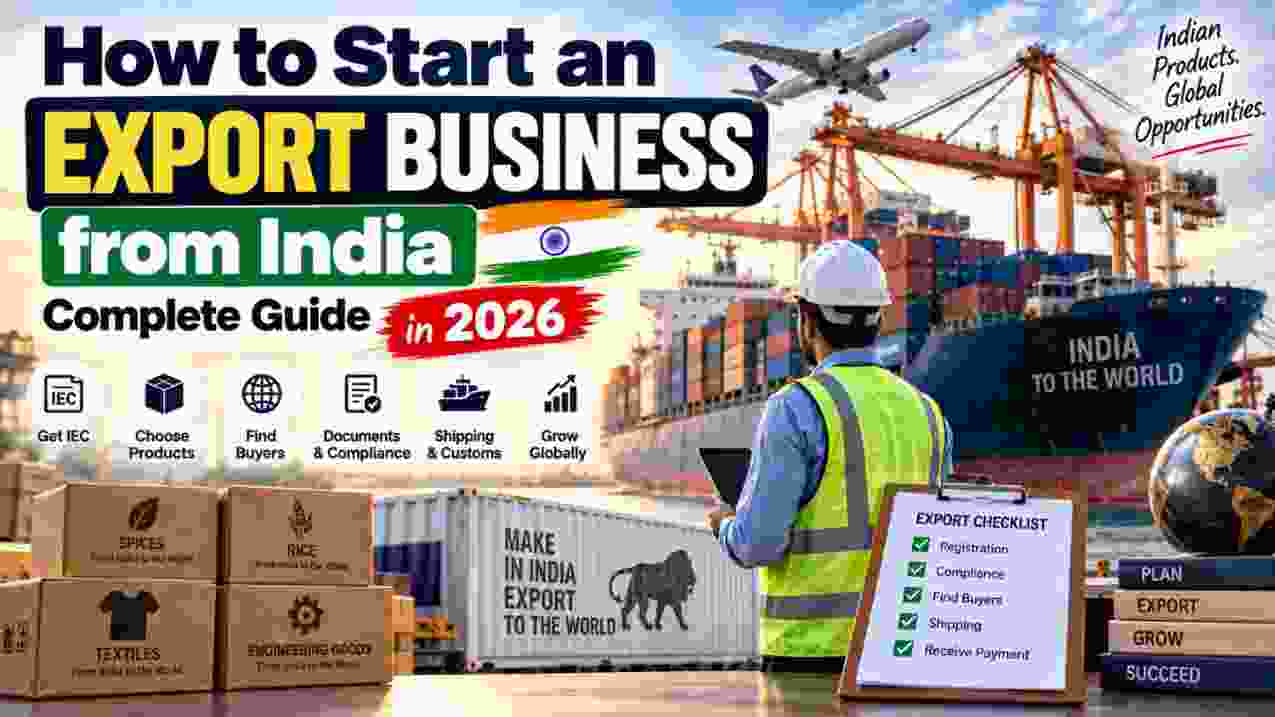
Starting an export business from India can be a good opportunity, but it is not as simple as…
How to Get an IEC Code in India: Complete Step-by-Step Guide for Exporters
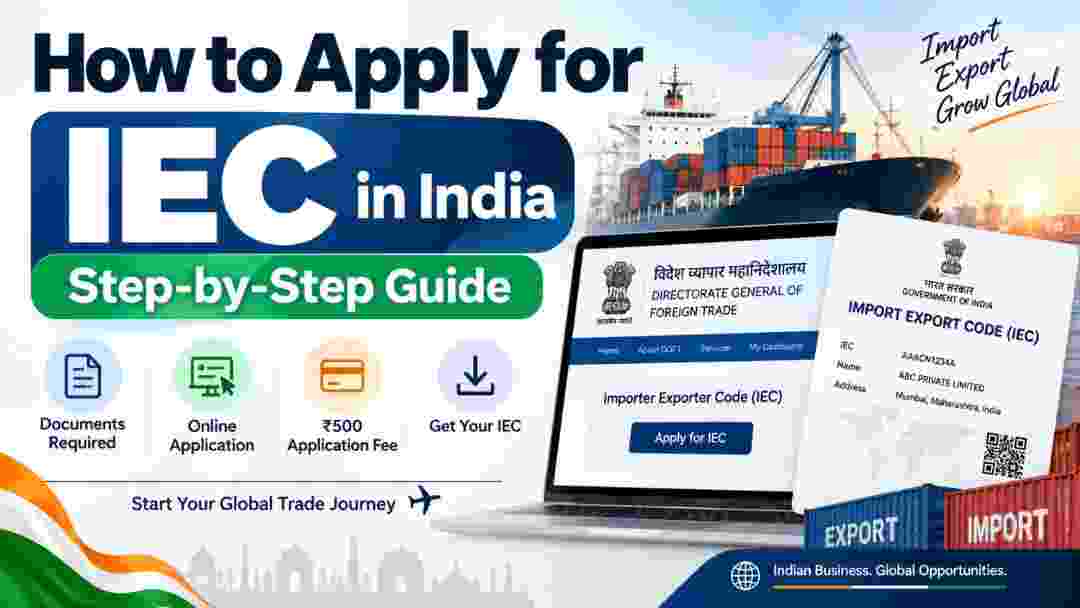
How to Get an IEC Code in India
If you want to start exporting or importing goods from India, obtaining an Importer Exporter Code (IEC) is one of the key registrations you may need. The IEC is issued by the Directorate General of Foreign Trade (DGFT) and is used to identify businesses and other eligible persons involved in international trade.
For many businesses, the IEC application is completed online through the DGFT portal. The process is straightforward when your business details, PAN information, bank details, and supporting documents are ready.
What Is an IEC Code?
An Importer Exporter Code (IEC) is a unique code associated with a person or business for import and export activities in India. It is generally required when a person undertakes import or export transactions, subject to applicable exemptions under current rules.
For an exporter, having the correct IEC details is important because the information used across trade and customs-related processes should match the business records.
Who Needs an IEC?
Businesses, firms, companies, proprietorships, partnerships, LLPs, trusts, societies, and other eligible persons engaged in import or export activities may need an IEC, depending on the nature of the transaction and applicable exemptions.
Before applying, check the latest DGFT requirements and exemptions for your specific transaction. Certain categories of imports or exports may be exempt from IEC requirements.
Documents and Information Required for IEC Registration
Keep the following information ready before starting your application:
- PAN details of the applicant or entity.
- Business or entity details, such as name, address, constitution, and contact information.
- Bank account details as required by the DGFT application.
- Mobile number and email address for registration and communication.
- Digital or electronic verification/authentication as required on the DGFT portal.
- Any additional supporting information or documents requested by DGFT for the applicant type.
The exact documentation can vary depending on whether you are applying as a proprietorship, partnership, company, LLP, trust, or another type of applicant.
Step-by-Step: How to Apply for an IEC Code
Step 1: Visit the DGFT Website
Start by visiting the official DGFT website and create or access your account. Use the current registration and login options provided on the portal.
Step 2: Create a DGFT User Account
If you do not already have an account, register using the required contact and identification details. Complete the verification process and log in to your DGFT dashboard.
Step 3: Select the IEC Application Service
From the DGFT dashboard, look for the service related to Importer Exporter Code (IEC) and select the option to apply for a new IEC.
Step 4: Enter Applicant and Business Details
Fill in the application carefully. Provide the legal name, address, constitution of the business or entity, contact details, and other information requested by the form.
Make sure the details are consistent with your PAN and other official records. Small mismatches can cause delays or require corrections.
Step 5: Provide Bank Details
Enter the required bank account information and complete any verification steps requested by DGFT. Use an account that is correctly associated with the applicant and supported by the required records.
Step 6: Complete Authentication and Verification
Review the declarations and complete the available electronic authentication or verification process. Depending on the application and current DGFT workflow, the portal may provide different verification methods.
Step 7: Pay the Applicable Government Fee
Proceed to payment if a government application fee is applicable. Follow the payment instructions displayed on the official DGFT portal and keep the transaction details for your records.
Step 8: Submit the Application
Before submitting, review every field carefully. Confirm that the PAN, legal name, address, bank details, and contact information are correct. Submit the completed application through the DGFT portal.
Step 9: Download or Save the IEC Details
After successful processing, use the DGFT portal to access your IEC details and save the available certificate or electronic record for business use and future reference.
How Long Does It Take to Get an IEC Code?
IEC applications are handled online, but the actual processing time can depend on the completeness of the application, successful verification, and whether DGFT requires any additional information or clarification. A clean application can move faster than one containing mismatched or incomplete details.
Common Mistakes to Avoid
- Entering a business name that does not match official records.
- Providing incorrect PAN or bank details.
- Using outdated contact information.
- Uploading or submitting incorrect supporting information.
- Ignoring portal messages or requests for clarification.
- Failing to keep the IEC information updated when business details change.
Do You Need to Update Your IEC?
Businesses should keep their IEC information accurate and comply with any applicable DGFT requirements for updating or confirming details. Changes to business information, bank details, address, or constitution may require action on the DGFT portal.
Because DGFT procedures and compliance requirements can change, always check the latest instructions on the official portal before making an application or amendment.
IEC Code vs GST Registration: Are They the Same?
No. IEC and GST registration are different registrations with different purposes.
IEC is associated with import and export activities and is administered by DGFT. GST registration relates to India’s indirect tax system and is administered under the GST framework. Depending on your business model, you may need one, the other, or both.
Why IEC Is Important for Export Businesses
For exporters, a valid IEC helps establish the business identity used for international trade transactions. It is an important part of the compliance setup for businesses entering global markets.
Once your IEC and other required registrations are in place, you can move on to the practical side of exporting, such as selecting products and markets, understanding export documentation, working with logistics providers, and meeting destination-country requirements.
Final Checklist Before Applying
Before starting your IEC application, make sure your PAN and legal business details are correct, your contact information is accessible, the required bank details are available, and you have access to the authentication method required by DGFT.
Most importantly, use the official DGFT portal and review the latest government instructions because application screens, fees, verification methods, and compliance requirements can change over time.
Conclusion
Getting an IEC code in India is an important step for businesses planning to import or export goods. The application is primarily online through DGFT, and the process becomes much easier when your business, PAN, bank, and contact information are prepared in advance.
If you are starting an export business, treat the IEC as one part of your broader export compliance setup. After obtaining it, make sure your invoices, shipping documents, bank records, tax registrations, and other trade documents use consistent and accurate business information.